Anticimex 3D Sanidad Ambiental / WiseCon Estrategia de Consolidación: That Is Quietly Changing How the World Fights Pests
There’s a good chance you’ve never thought about pest control as something interesting. Most people haven’t. It’s one of those things you only think about when you desperately need it.
But here’s the thing. A strategy quietly developed between a Spanish environmental hygiene company and a Danish tech firm is reshaping how hospitals, food factories, hotels, and entire cities protect themselves. It’s not splashy. It doesn’t get many headlines. And yet the ideas behind it are genuinely clever.
This is the story of Anticimex 3D Sanidad Ambiental, WiseCon, and the consolidation strategy connecting them.
Key Facts
| Detail | Information |
| Anticimex founded | 1934, Sweden |
| What “Anticimex” means | Against bed bugs (from Latin) |
| Anticimex 3D Sanidad Ambiental | Anticimex’s Spanish environmental hygiene division |
| “3D” stands for | Disinfection, Disinsection (insects), Deratization (rodents) |
| WiseCon founded | Denmark |
| First Anticimex stake in WiseCon | January 2015 (20%) |
| Full WiseCon acquisition | 2017 (remaining 80%) |
| WiseCon role today | Anticimex Innovation Center, Helsinge, Denmark |
| SMART devices installed globally | Over 600,000 as of 2025 |
| Anticimex countries | 22 countries across Europe, Americas, Asia-Pacific |
| Anticimex employees | ~12,000 |
| Customers served | ~3 million worldwide |
| Global pest control market (2024) | Estimated at USD 24.2 billion |
| ISO certification (Anticimex 3D) | ISO 9001:2015 |
| Private equity owner | EQT AB (since 2012) |
Where It All Began — Sweden, 1934, and a Bed Bug Problem
Imagine living in a country where roughly half of all homes have bed bugs. That was Sweden in the early 1930s. Mattresses, furniture, wooden frames — the insects were everywhere.
A man named William Albert Flick saw an opportunity. In 1934, he started a pest control company with a bold promise: he guaranteed results or you didn’t pay. That company was called Anticimex — which literally translates from Latin as “against bed bugs.”
That no-nonsense guarantee worked. People trusted it.
Through the 1940s and 50s, the company grew. It expanded beyond bed bugs into rodents and insects. Then in the 1960s, it did something genuinely unusual. Anticimex partnered with a Swedish insurance company called Skandia. Suddenly pest control wasn’t just something you hired when things went wrong — it became something your insurance policy covered. Prevention, not just reaction.
That shift in thinking — from fixing the problem to stopping it before it starts — turned out to be the seed of everything that would come later.
Building a Global Company, One Acquisition at a Time
Anticimex didn’t rush onto the world stage. Norway came first, in 1973. Then Nordic neighbors. Then broader Europe. By the early 2000s, it had a steady presence in Germany, the Netherlands, Denmark, and Finland.
Then in 2012, private equity firm EQT took ownership. And the pace changed dramatically.
EQT didn’t just hold Anticimex and wait. It pushed the company into an aggressive, deliberate growth strategy. The goal became clear: acquire smaller pest control companies around the world, bring them inside the Anticimex system, and build a truly global operation.
Over the years since 2015 alone, Anticimex has completed more than 400 acquisitions. That’s not a typo. They’ve absorbed local pest control businesses across Europe, Asia, Australia, and North America at a striking pace.
In 2016, the company entered the United States by buying Bug Doctor in New Jersey. Then came Viking Pest Control, Modern Pest Services, American Pest. By 2025, they were operating in 25 US states, having just acquired businesses in Texas.
The idea driving all of it is elegant in its simplicity. Pest control is a local business built on trust and relationships. You acquire a company with those relationships already in place. Then you add Anticimex’s systems, training, technology, and brand behind them. Global reach, but local knowledge stays intact.
That phrase — “global reach with a local touch” — isn’t just marketing language. It’s actually the operational model.
What Is Anticimex 3D Sanidad Ambiental?
Spain has its own version of this story. Anticimex’s Spanish division is called Anticimex 3D Sanidad Ambiental. The name sounds technical, but it breaks down simply.
“Sanidad ambiental” means environmental health or hygiene. It refers to keeping the spaces we live and work in clean, safe, and free from biological threats.
The “3D” is a shorthand for the three pillars of that work:
- Disinfection — killing bacteria, viruses, fungi
- Disinsection — controlling insects (flies, cockroaches, mosquitoes, and so on)
- Deratization — managing rodents, mostly rats and mice
These three services together cover the full range of what a hospital, food factory, hotel, school, or city council might need to maintain safe conditions. Anticimex 3D Sanidad Ambiental holds ISO 9001:2015 certification, which is a recognized quality standard that confirms they have structured, auditable processes behind their work.
Their clients include hospitals, logistics warehouses, city councils, food production facilities, and hotels. These are places where one rat or one cockroach can cause serious consequences — failed health inspections, reputational damage, or genuine health risks to patients, guests, or consumers.
Enter WiseCon — The Danish Company That Changed the Game
Now here’s where the story gets genuinely interesting.
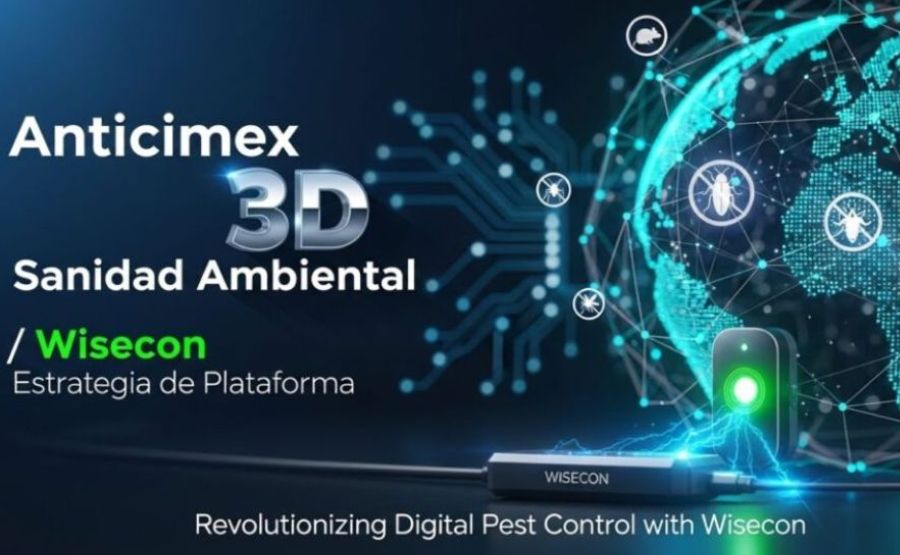
While Anticimex was building its global network of branch operations, a small Danish company called WiseCon was working on something different. They were designing connected, digital pest control devices. Smart traps. Sensor networks. Systems that could detect pest activity automatically and send that information somewhere for analysis.
Traditional pest control had always followed the same pattern. A technician shows up on a Tuesday. Check the traps. Note what they find. Leaves. Come back in two weeks. That cycle had barely changed in decades.
WiseCon’s technology broke that pattern completely. Instead of scheduled visits based on a calendar, their devices could detect rodent activity the moment it happened. No waiting. No guesswork. Real data, gathered continuously, from traps that never sleep.
Anticimex saw this and recognized something important. The technology wasn’t just a product. It was a different way of thinking about the whole business.
In January 2015, Anticimex bought a 20% stake in WiseCon. A test. A signal of intent. Over the next two years, they launched the Anticimex SMART concept based on WiseCon’s technology and installed more than 20,000 SMART rodent devices across multiple countries.
The results were convincing enough. By 2017, Anticimex completed the acquisition — purchasing the remaining 80% and bringing WiseCon fully inside the company. They didn’t absorb it quietly. They turned it into the Anticimex Innovation Center, based in Helsinge, Denmark. That center is now the research and development engine for the entire global group.
How the SMART System Works in Plain Language
Let me explain the SMART system as if we were just chatting.
Imagine a food factory. Hundreds of employees. Strict food safety regulations. One rat spotted in the wrong place could trigger a regulatory shutdown and cost the company millions. Traditional pest control sends someone once a week. That leaves six days of potential problems unseen.
The Anticimex SMART system works differently.
First, a technician surveys the site and maps the highest-risk areas — entry points, drainage channels, storage rooms, loading docks. These are the places pests are most likely to use.
Then, connected electronic traps and sensors are placed throughout those zones. These devices aren’t passive. They’re actively monitoring. When a rodent enters a trap, it triggers a sensor. That event is logged and transmitted wirelessly to Anticimex’s cloud platform — immediately.
A technician gets an alert. They can see exactly which device was triggered, where it is, and when it happened. Instead of showing up on schedule and checking everything, they go directly to the confirmed problem. They’re responding to evidence, not guessing.
Meanwhile, the data accumulates over time. Patterns emerge. Maybe activity always increases on Thursday nights after deliveries arrive. Maybe one corner of the building shows repeated hits. That information helps the technician and the client understand the underlying conditions driving the problem — not just the symptoms.
The system also dramatically reduces chemical use. Because you know exactly where pests are and aren’t, you don’t spray everywhere. In some cases, chemical use drops by 80% or more. The traps themselves are non-toxic mechanical devices.
For a hospital, this means no chemical odors near patients. For a food factory, it means no pesticide residue risk on products. For a hotel, it means guests never see a trap or smell anything. The protection is invisible and continuous.
The Consolidation Strategy — What It Actually Means
The phrase “estrategia de consolidación” sounds like business jargon. It is, a little. But the idea behind it is worth understanding because it’s actually quite smart.
Most large service companies grow by acquiring smaller competitors and then changing everything about how they operate — replacing their systems, rebranding them, standardizing processes from the top down. This often damages the very thing that made the acquired company valuable: local relationships, staff loyalty, community trust.
Anticimex’s approach is different. They describe it as a decentralized, branch-based model.
When they acquire a local pest control company, they don’t erase it. The local brand may remain. The local manager often stays in place. The staff continue serving the same customers they always have. What changes is what goes on behind the scenes: the technology platform, the training standards, the data systems, the service methodology.
WiseCon’s technology is the common thread that ties all these local branches together. Every branch uses the same SMART devices. Every branch feeds into the same data platform. Every branch follows the same Anticimex Methodology.
This creates a remarkable combination. A small pest control business in Seville is still a local company with local relationships. But now it has access to data, training, technology, and support that no independent company of that size could afford on its own. And Anticimex, in turn, has a network of trusted local operations that would take decades to build from scratch.
That’s the consolidation strategy in practice. Not just buying companies. Buying companies and weaving them into a shared technological and operational fabric — while leaving the local soul intact.
Why Owning the Technology Matters
Here’s a detail that often gets missed. Most service companies that use technology don’t own the technology. They pay licensing fees to third-party software companies. They wait for updates. They negotiate contracts. They’re dependent on someone else’s product roadmap.
Anticimex took a different path. By fully acquiring WiseCon, they brought the technology inside the company. WiseCon engineers work for Anticimex. Device development happens at the Anticimex Innovation Center. When a new market opens up — say, sewer traps for Spanish municipalities — the engineering team can develop and deploy a specific solution without waiting for an outside vendor.
This is what business strategists call vertical integration. It sounds dry, but the practical effects are real. Anticimex can move faster. They can customize solutions for specific sectors. They can keep their technology proprietary. And they don’t pay ongoing licensing fees that would eat into margins.
It’s also a competitive moat. A rival company can copy a service offering. It’s much harder to copy an in-house innovation center built over years.
The Environmental Angle
One of the things I find genuinely encouraging about this story is the environmental dimension.
Traditional pest control relied heavily on biocides — chemical compounds that kill pests but also linger in soil, water, and air. Overuse of pesticides has contributed to harm across ecosystems. Birds and other animals suffer when rodenticides enter food chains. Bees and beneficial insects are affected. Water systems carry traces of chemicals from treated properties.
The SMART approach changes this calculus significantly. Because the traps are physical and mechanical, and because monitoring is precise enough that interventions target confirmed pest activity rather than speculative spraying, chemical use drops dramatically.
An Anticimex entomologist in Singapore described it plainly: without monitoring tools, the industry used chemicals almost blindly, spraying areas whether pests were there or not. With data-driven monitoring, that changes. You treat where the problem actually is.
For a company serving 3 million customers across 22 countries, even a modest reduction in average chemical use across all those accounts adds up to something meaningful for local ecosystems.
Real-World Applications Across Different Sectors
The consolidation of Anticimex 3D’s expertise with WiseCon’s technology shows up differently depending on where it’s deployed.
In food production, the priority is early detection and zero tolerance. A pest discovered near a production line triggers recall procedures, regulatory penalties, and serious reputational damage. Continuous monitoring means problems are caught at the entry point, not after they’ve reached the production floor.
In healthcare, the challenge is different. Patients are vulnerable. Chemical treatments near wards are complicated. Sterility standards are strict. The non-toxic nature of SMART devices is particularly valuable here — monitoring happens invisibly without disrupting medical environments.
In urban infrastructure, cities like those in Spain face ongoing rodent pressure in drainage and sewer systems. Traditional methods — bait stations in pipes, manual checks — are slow and often ineffective. WiseCon developed sewer trap technology specifically for underground environments. These devices detect and capture rodents in pipes, eliminating them before they reach surface areas.
In hospitality, the emphasis is on discretion. A hotel cannot have guests see pest control equipment. The SMART system runs entirely behind the scenes. Guests experience a clean, safe environment without knowing the monitoring system is there at all.
The Challenges and Honest Limitations
This would be a dishonest article if it only told the good parts.
Rolling out a global technology platform across hundreds of acquired businesses in 22 countries is genuinely difficult. Not every acquisition goes smoothly. Different countries have different regulatory requirements for pest control chemicals, trap designs, and data privacy. Integrating a Danish tech platform into a Spanish municipal pest control contract takes real coordination.
There are also cost barriers. The SMART system requires upfront hardware installation. For a small restaurant or independent property owner, the subscription model and device costs are higher than simply calling a traditional pest control company. The value is clear over time, but the initial investment can be a barrier for smaller clients.
And there’s a skill gap question. Moving an industry from hands-on technician visits to data-driven monitoring requires retraining. Technicians who spent their careers recognizing pest signs through experience now need to also understand how to read digital dashboards, interpret sensor alerts, and explain data to clients. That shift takes time and consistent investment in training.
The consolidation model also carries integration risk. Acquiring 400-plus companies since 2015 is impressive, but the complexity of harmonizing those operations — cultures, systems, client relationships — is substantial. Moving too fast has caused problems for other roll-up companies in similar industries.
A Business Model Shift Worth Noticing
There’s one more angle here that I think is worth your attention.
Traditional pest control sold visits. You paid for a technician to come. Once they left, the revenue stopped until they came back.
The SMART model sells continuous protection. The device is always there. The monitoring never stops. The client pays a subscription. That subscription generates predictable, recurring revenue every single month.
This is the same business model shift that happened in software, in home security, in fitness apps, and in many other industries. Moving from one-time transactions to ongoing subscriptions changes everything about financial planning, customer relationships, and the economics of growth.
For Anticimex, it means a more stable revenue base. For clients, it means pest management becomes a predictable operating expense, not a reactive emergency cost. For the industry, it signals where things are heading.
What This Means for the Future
The global pest control market sat at roughly USD 24.2 billion in 2024. It’s expected to grow significantly over the next decade, driven by tightening hygiene regulations, food safety requirements, and growing awareness of antimicrobial resistance — a public health concern partly linked to overuse of chemical pest treatments.
Anticimex has already crossed 600,000 SMART devices installed globally. It entered its 22nd country in 2024. It completed its 400th acquisition in France that same year, and by 2025 had reached 25 US states. The trajectory is consistent.
As more regulatory bodies in Europe and beyond tighten restrictions on certain biocides, the competitive advantage of a non-toxic monitoring approach grows. Companies that can demonstrate reduced chemical use while maintaining or improving pest control outcomes will have a real edge in procurement decisions made by hospitals, food companies, and municipalities.
WiseCon’s role as an internal innovation center positions Anticimex to stay ahead of those requirements — developing new device categories, improving connectivity, and building the data analytics capabilities that will matter more and more.
A Quiet Kind of Progress
I want to end with something a bit personal.
When I first came across this story, I expected it to feel dry. A business strategy. An acquisition. Pest control technology. Not exactly thrilling material.
But the more I understood it, the more I appreciated what’s actually happening here. A company started in 1934 on a promise to get rid of bed bugs has spent 90 years figuring out how to make that promise better. The WiseCon acquisition isn’t just a business move. It’s the latest expression of a very old idea: that the best pest control is the kind that prevents the problem before it starts.
The fact that this is now happening with sensors and cloud data and non-toxic traps in 22 countries, rather than with a spray can and a weekly visit, feels like genuine progress. Quiet, unglamorous, practical progress — the best kind.
Final Words
The Anticimex 3D Sanidad Ambiental / WiseCon consolidation strategy is worth knowing about, even if pest control isn’t something you normally think much about.
It shows what happens when a traditional service business takes technology seriously — not as a marketing layer, but as the actual operational core. It shows how a decentralized acquisition model can grow globally while staying locally relevant. And it shows that some of the most meaningful environmental improvements don’t come from dramatic announcements. They come from making existing industries work smarter, with fewer chemicals and better data.
The next time you stay in a clean hotel, eat food that’s passed rigorous safety checks, or visit a hospital that feels hygienically secure — there’s a chance that somewhere, quietly, a small connected device helped make that happen.
FAQs
1. What does “Anticimex 3D Sanidad Ambiental” actually mean in plain English?
“Sanidad ambiental” means environmental health — keeping the spaces we live and work in safe from biological risks. “3D” refers to the three service pillars: disinfection, disinsection (insects), and deratization (rodents).
2. What is WiseCon and why did Anticimex buy it?
WiseCon is a Danish company that developed digital, sensor-based pest control devices. Anticimex bought it to own the technology behind its SMART system rather than depending on an outside supplier. Owning WiseCon gives Anticimex full control over product development.
3. What does the “consolidation strategy” actually mean in practice?
It means Anticimex acquires local pest control companies, keeps their local relationships and expertise intact, and layers in shared technology, training, and service standards across all of them. Local knowledge plus global systems.
4. Is the SMART system truly non-toxic?
The traps and monitoring devices themselves are non-toxic mechanical systems. Chemical treatments are still used when needed, but because monitoring is precise, chemical use can drop by 80% or more compared to traditional methods.
5. Who are the typical clients of Anticimex 3D Sanidad Ambiental in Spain?
Hospitals, hotels, food factories, logistics warehouses, city councils, and commercial real estate operators. Basically any organization where pest problems would cause serious health, regulatory, or reputational consequences.
6. How does a SMART trap actually work?
It’s a connected device placed in a high-risk area. When a rodent enters, a sensor detects the event and sends an alert wirelessly to Anticimex’s monitoring platform. A technician can see the alert in real time and respond directly to the confirmed problem.
7. Does the system replace human technicians?
No. Technicians are still essential. The SMART system changes when and how they work — responding to confirmed alerts rather than making routine speculative visits. It makes their work more precise, not redundant.
8. What is the Anticimex Innovation Center and where is it?
It’s the internal research and development center created after Anticimex fully acquired WiseCon in 2017. It’s based in Helsinge, Denmark, and is responsible for developing new digital pest control products for the entire global Anticimex group.
9. How many SMART devices are installed worldwide?
As of 2025, over 600,000 SMART devices are installed globally. That milestone was reached in 2025 — the company passed the 500,000 mark in 2024.
10. Is this approach better for the environment?
In meaningful ways, yes. Reducing chemical use by 80% or more across millions of service accounts has real ecological benefits. It protects wildlife that might otherwise be affected by chemical pest treatments and reduces the amount of biocides entering soil and water systems.
11. Why is this strategy significant for the global pest control industry?
It demonstrates that moving from scheduled reactive visits to continuous subscription-based monitoring is commercially viable and environmentally better. Other large pest control companies are watching closely, and the industry is shifting in this direction.
12. Can a small business or homeowner access this kind of monitoring?
The SMART system is primarily designed for commercial, institutional, and municipal clients at this point. Smaller clients can still use Anticimex’s traditional pest control services. The subscription model for residential use is growing but not yet universally available.
13. What are the main challenges with rolling out this system globally?
Regulatory differences between countries, the cost of upfront hardware installation, retraining technicians to work with data rather than just physical inspections, and the complexity of integrating hundreds of acquired companies onto a shared platform. None of these are unsolvable — but they’re real and ongoing challenges.
Empowering curious minds to explore, learn, and think deeper with Fact Aura.