Trace Walkthrough: A Friendly Guide Through the Game
I want to tell you about a small, strange, wonderful little game called Trace, and how to actually get through it without losing your mind.
If you’ve ever opened up Trace, either the free browser version on Cool Math Games or the fuller release on Steam and itch.io, you know that first feeling. You’re standing in a room you don’t recognize, the door is locked, and nothing makes obvious sense yet. That confusion is the whole point. Let’s walk through it together, calmly, the way a friend would talk you through it if they were sitting next to you.
Key Facts
| Detail | Info |
| Game Title | Trace |
| Genre | Point-and-click escape room puzzle game |
| Original Creator | Colorbomb (Studio Look) |
| Where to Play | itch.io, Cool Math Games (browser demo), Steam (Trace: Definitive Edition) |
| Core Gameplay | Explore rooms, collect clues, solve pattern and logic puzzles to unlock doors |
| Starting Location | A locked bathroom |
| Key Early Tools | Notes feature and in-game camera for tracking clues |
| Common Puzzle Types | Pentagram pattern puzzles, sliding block locks, color and number codes |
| Recommended Playstyle | Slow, observant exploration rather than rushing |
What Trace Actually Is
Trace is a digital escape room. You wake up somewhere unfamiliar, usually a bathroom in a strange, quiet house, and you have to explore your surroundings, gather clues, and solve puzzles to make your way out. It plays a lot like the escape room experiences you might book in real life with friends, except you’re doing it alone on a screen, at your own pace, with no time limit pressuring you.
The game leans heavily on observation. Nothing gets explained to you outright. You have to notice patterns, remember small details from earlier rooms, and connect pieces of information that don’t look related at first glance.
See also “SEO by HighSoftware99.com: The Full Honest Guide You Need to Read“
How the Game Actually Works
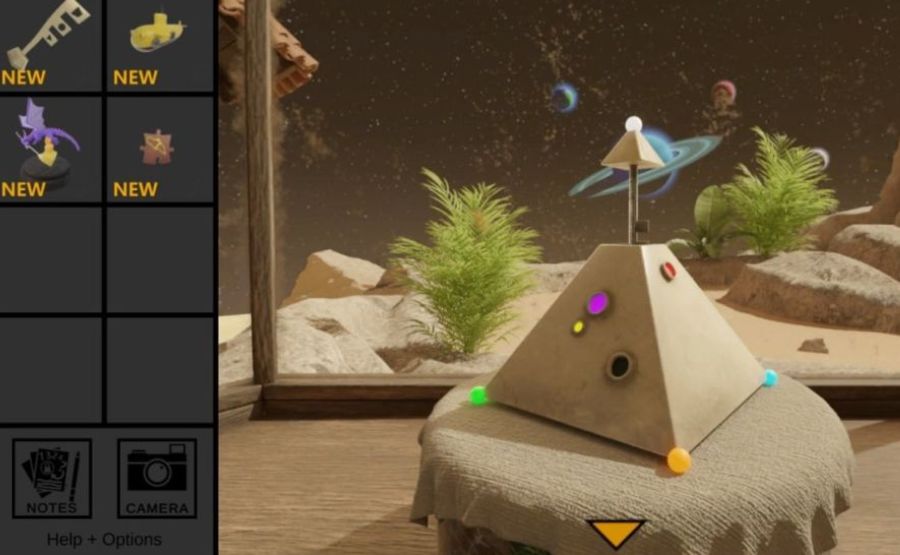
When you first load up Trace, you’re dropped into that locked bathroom with almost no instructions. You’ll notice a Notes feature and a camera tool on the side of your screen. Those two tools matter more than almost anything else in the whole game, so get comfortable with them early.
Unlike a lot of point-and-click games, Trace doesn’t give you hover hints when you move your mouse over interesting objects. You actually have to click into areas to zoom in, sometimes more than once, before anything useful appears. That takes some getting used to, and it’s the biggest adjustment new players usually need to make.
Getting Started: The First Room
The bathroom is where almost everyone begins, so let’s walk through it together. Look around near the sink first. You’ll find half of a pair of scissors sitting there, and picking it up adds it to your inventory automatically.
While you’re near the sink, take a good look at the lightbulb fixture above you. It holds a pattern you’ll need to remember just a little later, so don’t rush past it. Down near the toilet, you’ll come across a pentagram symbol surrounded by colored arrows. This becomes one of the game’s signature puzzle types, and you’ll likely see variations of it again in later rooms.
Behind a painting on the wall, there’s a combination lock waiting to be solved. Once you work through the clues hidden around the room, that combination unlocks a cabinet beneath the sink, where a red key tile is sitting on top of a roll of toilet paper. Grab it. You’re going to need it.
The Lockbox Puzzle
Once you have that red key tile, you’ll find a lockbox on the bathroom door that needs solving before you can leave. This puzzle asks you to slide colored blocks around a small grid, making room bit by bit until you can finally place the key directly over the lock.
Here’s the honest truth about this puzzle: it rewards patience more than cleverness. You’ll need to move a few purple blocks out of the way first, then slide a yellow block over to open up space, and only then can you finally guide the key block into position. If you rush it, you’ll end up shuffling pieces back and forth in circles. Slow down, and it clicks into place.
Beyond the Bathroom
Once that door finally opens, you’ll find yourself stepping into a hallway that leads toward a living room. This is where the game starts to widen out. New rooms mean new puzzle types, and depending on which version of Trace you’re playing, you might run into things like a study with layered pentagram puzzles, a tower with symbol-based codes, or areas involving objects like a computer, a robot, or even a submarine, depending on how far the specific version of the game extends.
I want to be straightforward with you here. Because these later sections vary between the browser demo, the itch.io release, and the Definitive Edition on Steam, giving you one single script for everything beyond this point risks sending you down the wrong path entirely. What I can tell you is how to approach these later rooms so you’re never stuck for long, no matter which version you’re playing.
How to Approach the Later Puzzles
Every later room in Trace tends to follow a similar rhythm, even when the specific puzzles change. You explore first, without touching anything you don’t understand yet. You use the camera tool to screenshot patterns, symbols, or codes you find, since you’ll often need to reference them again in a completely different room. And you trust that nothing in the environment is purely decorative. If you can click on it and it zooms in, it probably matters.
A lot of players get stuck because they forget something they saw two rooms earlier. That’s honestly the biggest trap in this whole game. Trace isn’t testing your reflexes. It’s testing your memory and your willingness to look closely at things a second or third time.
A Personal Reflection on Why This Kind of Game Works
I think what makes Trace so satisfying isn’t any single puzzle. It’s the feeling of a small “aha” moment arriving after a stretch of genuine confusion. You stare at a lightbulb pattern, forget about it, wander three rooms further, and then suddenly remember it means something in a completely different context. That little spark of memory clicking into place is really the whole reason escape room games exist.
There’s something almost meditative about a game like this too. No enemies chasing you, no health bar ticking down, just quiet rooms and patient observation. For a lot of players, that calm pace is exactly the appeal.
Common Misconceptions About Trace
A lot of new players assume Trace works like typical hidden object games, where you just click around frantically until something highlights. It doesn’t. You genuinely need to read the environment and connect details across multiple rooms, sometimes far apart from each other.
Some players also assume every version of Trace contains the same content, since they share a name and a general concept. As I mentioned earlier, that’s not quite true. The free browser demo tends to be shorter, while the Definitive Edition on Steam expands the experience considerably, so a walkthrough written for one version won’t map perfectly onto another.
The Benefits of Playing Games Like This
Games like Trace exercise a different kind of thinking than most video games ask of you. You’re not reacting quickly. You’re observing carefully, holding details in your memory, and testing ideas patiently. That kind of slow-burn problem solving is genuinely good practice for the same skills you use in real life, whether that’s untangling a complicated instruction manual or working through a tricky puzzle with a friend.
It’s also a genuinely social experience, even though you’re usually playing alone. Plenty of players talk through their progress with friends, comparing notes on which puzzle stumped them longest, and that shared confusion often turns into shared celebration once everyone finally escapes.
The Real Challenges Players Run Into
Honestly, the biggest challenge in Trace isn’t any one puzzle. It’s the pacing. Some players fly through the first room in ten minutes, then get stuck on a single puzzle in the tower or study for an hour or more. That unevenness can be frustrating if you’re expecting a smooth, steady difficulty curve.
The lack of hover hints also trips people up early on. If you’re used to games that highlight interactive objects automatically, Trace asks you to slow down and click deliberately into areas that might not look obviously important at first.
The Question of Using a Walkthrough at All
This is something worth pondering for a moment. Using a walkthrough like this one comes with a quiet trade-off. It gets you unstuck faster, but it also takes away some of that satisfying struggle that makes escape room games rewarding in the first place.
I don’t think there’s one right answer here. Some players want the full experience of getting stuck and slowly working it out themselves, checking a guide only as an absolute last resort. Some are content to go through the narrative more quickly, viewing the game more as an interactive narrative than as a true test of patience. Neither approach is wrong. It really comes down to what kind of experience you’re looking for that day.
What This Means for the Future of the Series
Trace started as a small, free browser puzzle experience, then grew into something bigger with its Definitive Edition release on Steam. That kind of growth, from a modest demo into a fuller commercial release, says something hopeful about how much players connected with the original idea.
If that pattern continues, it wouldn’t be surprising to see future expansions, sequels, or entirely new escape room concepts from the same creators, built on the same principles of careful observation and quiet, patient puzzle solving.
Final Words
What I like most about walking someone through a game like Trace isn’t really the puzzle solutions themselves. It’s remembering that specific feeling of being stuck, staring at a locked door with no idea what to do next, and then slowly, patiently working your way toward that one small detail you’d overlooked.
If you’re playing Trace for the first time, my honest suggestion is to lean into that confusion a little before reaching for a guide. Let yourself wander the bathroom for a few extra minutes. Click on things twice, even three times. The satisfaction waiting for you on the other side of that locked door is worth the detour.
FAQs
1. What kind of game is Trace?
It’s a point-and-click escape room puzzle game where you explore locked rooms, gather clues, and solve pattern-based puzzles to progress.
2. Where can I play Trace?
You can play a free browser demo on Cool Math Games, a fuller version on itch.io from creator colorbomb, or the expanded Trace: Definitive Edition on Steam.
3. Do all versions of Trace have the same puzzles?
No. The browser demo is shorter, while the itch.io and Steam versions include more rooms and additional puzzle types.
4. What’s the very first thing I should do in the game?
Grab the half of the scissors near the sink in the bathroom, then take note of the lightbulb pattern above you, since you’ll need to remember it shortly after.
5. How does the pentagram puzzle work?
You’ll match colored arrows in a specific sequence based on clues found elsewhere in the room. The exact pattern changes depending on which version and stage of the game you’re playing.
6. What should I do if I get stuck on the lockbox puzzle?
Focus on moving the purple blocks out of the way first, then slide the yellow block over to clear a path so you can finally guide the key block into the lock.
7. Why doesn’t hovering over objects show hints like other games?
Trace intentionally requires you to click and zoom into areas rather than hover, which encourages slower, more deliberate exploration.
8. Is Trace difficult for beginners to escape room games?
It can be, mainly because of its pacing. Some rooms move quickly, while others require careful memory of details from much earlier in the game.
9. What tools should I be using constantly while playing?
The in-game Notes feature and camera tool. Screenshotting patterns and codes as you find them will save you a lot of backtracking later.
10. Is it okay to use a walkthrough instead of solving everything myself?
Yes, if that’s the experience you want. Just know that leaning on a guide too early can take away some of the satisfaction that makes escape room games rewarding.
11, How long does Trace usually take to finish?
It varies a lot by version and player. Some finish the shorter browser demo in under thirty minutes, while the fuller Definitive Edition can take well over an hour depending on how quickly you solve each puzzle.
12. Are there achievements in the Steam version?
Yes, Trace: Definitive Edition on Steam includes a full set of achievements tied to completing the game and its various puzzles.
13. What happens if I miss a clue early in the game?
You’ll likely get stuck later on, since Trace often connects details from earlier rooms to puzzles you encounter much further along.
14. Can I play Trace with friends?
The game itself is a single-player experience, but plenty of players enjoy comparing notes and progress with friends who are also playing through it.
15. What makes Trace different from other escape room games?
Its slow, observational pace and heavy reliance on connecting details across multiple rooms, rather than fast reflexes or hidden object hunting, set it apart from more action-oriented puzzle games.
Empowering curious minds to explore, learn, and think deeper with Fact Aura.